


TL;DR / Executive Summary
- On 28 November 2025, SpaceX’s Transporter‑15 rideshare mission lifted off from Vandenberg Space Force Base carrying 140 payloads, including three companies from the Seraphim ecosystem.
- D-Orbit sent two ION Satellite Carrier OTVs, crossing 200 total payloads delivered since 2020.
- ICEYE added five new SAR satellites to its constellation, growing sovereign and commercial Earth‑observation capacity.
- Wyvern Space (Accelerator alumnus) launched Dragonette‑005, increasing its constellation’s revisit rate for environmental and agricultural imaging.
- Spaceium (Accelerator alumnus) launched its first in-space demonstration payload, Mission Nicoló, aboard D-Orbit’s ION spacecraft.
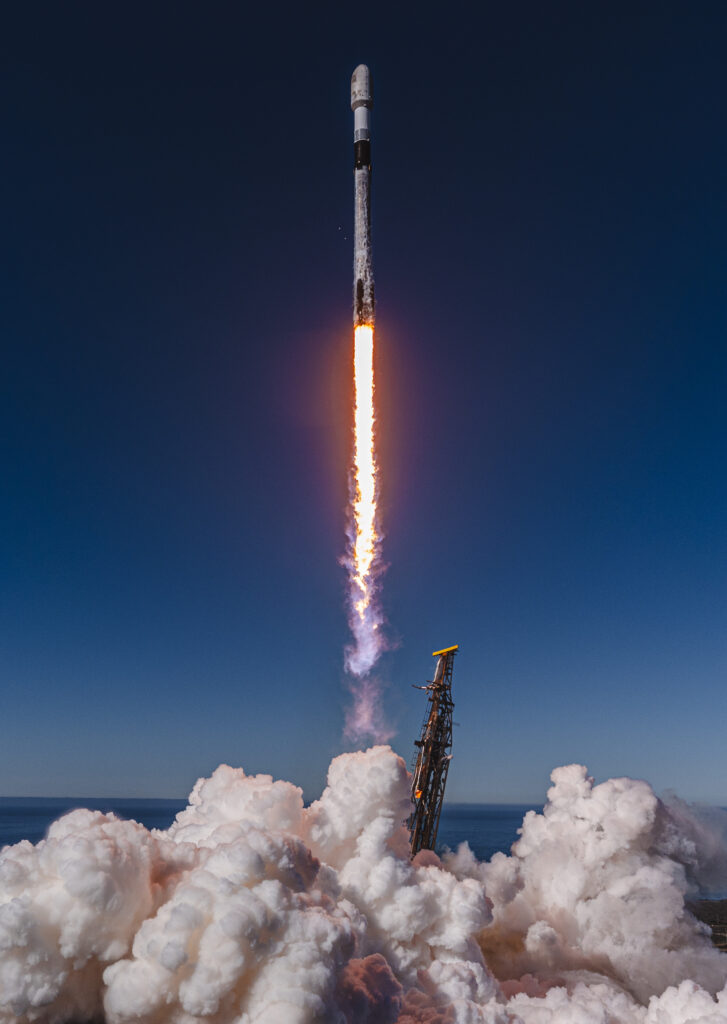
Four Seraphim-backed companies launch into orbit on SpaceX Transporter-15 mission
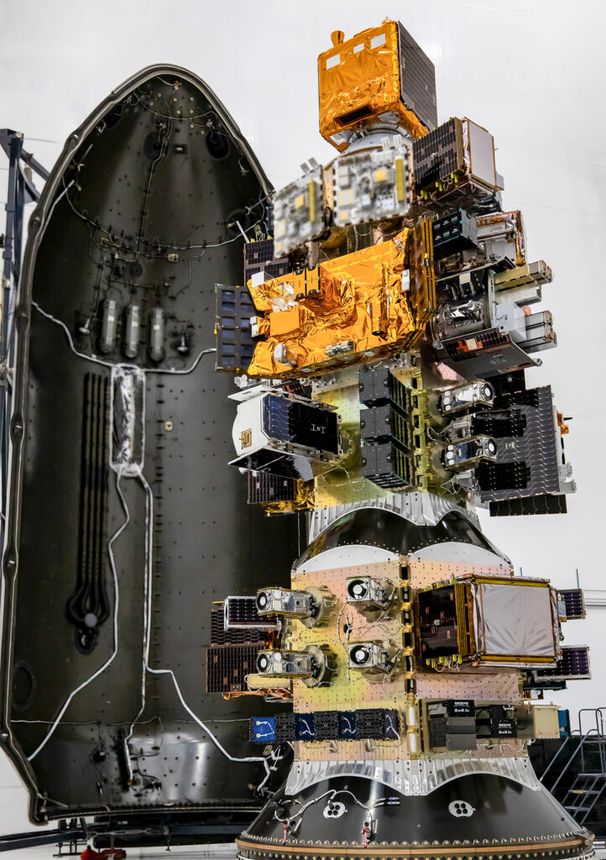
On 28 November 2025, SpaceX’s Transporter-15 mission successfully lifted off from Vandenberg Space Force Base, carrying 140 payloads into orbit. Among them were three Seraphim-supported companies: D-Orbit, ICEYE, and Wyvern Space. These innovators represent the breadth of Seraphim’s investment strategy — from orbital logistics and in-orbit services to radar and optical Earth observation. Their technologies are driving real-world outcomes across defence, environmental monitoring, climate resilience, and global connectivity.
D-Orbit crosses 200 payloads delivered with two new missions
D-Orbit launched two ION Satellite Carrier vehicles on this mission, marking their 20th and 21st commercial missions. These space vehicles deliver satellites into precise orbital positions and also host experimental payloads. This launch takes D-Orbit past 200 payloads delivered to space since its first mission in 2020.
The ION vehicles carried an eclectic mix of payloads spanning advanced technology, scientific research, and even personal memorials. These included projects using artificial intelligence and blockchain in orbit, such as AI‑eXpress 1 Plus co‑funded by ESA, alongside unconventional missions like StardustMe, a commemorative payload containing human ashes permanently sealed to the spacecraft.
This broad payload mix reflects the versatility of D-Orbit’s platform, enabling everything from cutting-edge tech demonstrations to symbolic missions, all within a single launch.
ICEYE expands radar satellite fleet with five new spacecraft
ICEYE launched five new satellites on Transporter-15, all of which have successfully made contact and are now in commissioning. These satellites support both commercial and national security missions, including those for Greece, Poland and BAE Systems.
This brings ICEYE’s total number of satellites launched to 62, with 22 launched in 2025 alone. These new additions include the latest fourth-generation radar satellites. These provide very high-resolution images of Earth’s surface, day or night and through cloud cover, making them valuable for defence, infrastructure, and disaster response applications.
ICEYE’s satellites are available for both commercial imaging and sovereign ownership. The company offers complete satellite systems that can be deployed and operational within 12 months.
Wyvern grows Earth imaging constellation with Dragonette-005
Wyvern Space, a graduate of the Seraphim Space Accelerator, launched its fifth satellite, Dragonette-005. This new spacecraft will increase Wyvern’s revisit rate and data capacity, enhancing its ability to monitor agricultural health, detect wildfires and support environmental stewardship.
Wyvern builds high-resolution imaging satellites designed for sustainability and Earth intelligence. Its growth reflects the success of Seraphim’s early-stage support model.
Spaceium advances in-orbit refuelling with Mission Nicoló
Spaceium, a graduate of the Seraphim Space Accelerator, launched its first in-space demonstration payload, Mission Nicoló, aboard D-Orbit’s ION spacecraft on SpaceX’s Transporter-15 mission. The hardware, a precision robotic actuator engineered for autonomous propellant transfer, provides Spaceium with its first flight heritage and validates a critical component of its refuelling architecture.
Looking ahead: momentum continues into 2026
With more launches expected in early 2026, the Seraphim ecosystem is on track to continue expanding its constellations and capabilities. We look forward to supporting the next wave of breakthroughs in in-orbit services, defence applications, AI in space and climate solutions.
The space economy is growing rapidly. Seraphim is proud to be at the centre of that growth, backing the businesses building infrastructure, intelligence and resilience from orbit.
 unknownx500